
Freelance Drone Operator
Drone footage is often the first thing an audience sees. Used well, it establishes location, scale and atmosphere, setting up a story visually before a word is spoken. That additional perspective can add drama, clarity and production value — helping a film feel grounded, cinematic and confident from the outset.
I work as a freelance drone operator supporting broadcast, documentary, advertising and brand film projects where aerials genuinely enhance the story rather than distract from it. The focus is always on imagery that sells the location, supports the edit and integrates naturally with ground-based filming.
I’m Jon Collins, a UK-based filmmaker and Director of Photography with extensive broadcast experience, including projects for BBC, ITV, Channel 4, Channel 5, Amazon Prime Video and Discovery. My drone work is shaped by the same principles as my ground-based filming: careful planning, calm decision-making, and footage captured with the edit firmly in mind.
Over the years, projects I’ve shot — including aerial sequences — have gained news coverage across BBC News, ITV News, Channel 4 News and international news outlets, often in fast-moving or logistically complex situations.
Certified, Compliant and Production-Safe
I hold professional certification for drone operations in both the UK and Europe:
- UK: CAA Open Authorisation (Operational Authorisation) and GVC (formerly PfCO)
- EU: A1/A3 and A2 drone certification
Every project is supported by comprehensive drone liability insurance, detailed flight planning, risk assessments and production-safe on-site procedures. This allows production-safe operation across a wide range of environments, subject to permissions, airspace restrictions and local requirements. Compliance, risk management and coordination with production always come first.
Drone + Camera Operator Package
Most of the time, drone filming works best when it’s integrated into a wider shoot rather than treated as a standalone add-on. I frequently combine aerials with ground-based filming — either self-shooting as a filmmaker/DoP or working as part of a small, agile crew when access or logistics make a full team impractical.
If you’re looking for a cameraman with drone, a DoP with drone, or a UAV op with EU certification for documentary and broadcast, this integrated approach keeps footprint and disruption low while maximising coverage — and ensures aerials cut naturally with ground-camera sequences.
This approach is particularly useful for documentary production, adventure filmmaking and remote-location shoots.
When Drone Filming Makes Sense
- Establishing geography and location
- Showing scale, isolation or access
- Following movement through landscape
- Providing context for editorial storytelling
If drone footage won’t genuinely support the story or the cut, I’ll say so.
Equipment and Capture Approach
I operate a DJI Mavic 3 Pro, chosen for image quality, reliability and suitability for professional broadcast and documentary work. A DJI Air 2S is also available where appropriate. I carry ND filters, spare batteries and live wireless monitoring feeds for real-time director or client viewing on location.
Flights are planned conservatively with careful attention to weather, terrain, contributors and surrounding activity.
Footage is captured (including 10-bit D-Log where appropriate) and delivered in a way that integrates cleanly with ground-based material — consistent colour, sensible shot lengths and sequences that are genuinely usable in the edit.
Need a fast turnaround? Same-day or 48-hour delivery is possible when deadlines demand it.
For larger productions or specialist requirements, heavy-lift or dual-operator setups can be arranged.
Coverage Area
I work nationwide across the UK and Europe, regularly filming in:
- Sussex, Kent, and South East England
- The Home Counties, Yorkshire, and Cumbria
- Remote and international locations, with full drone-operation clearance and travel documentation where required
International Work and Logistics
I regularly work internationally and can support drone filming as part of overseas productions. This includes planning around local regulations and airspace rules, as well as wider production logistics. For travel-led projects, I also have ATA carnet experience for transporting professional camera equipment post-Brexit.
If you’re planning cross-border shoots, these guides may help: travelling with filming equipment across Europe and filming in Europe post-Brexit.
Related Services
Drone filming often sits alongside my wider work as a filmmaker and DoP. You may also want to explore documentary filmmaking, adventure filmmaking, advertising production, and editing and post-production.
Need both aerial and ground camera coverage as a single package? See UK Film Crew Services.
Next Step
If you’re planning a project and want to discuss whether drone footage is appropriate — and how it can be captured safely, legally and without slowing production down — get in touch.
Drone Filming FAQ
Below are answers to common questions about commissioning drone filming. If you don’t see what you need, you can get in touch.
-
What does drone footage add to a production?
Used well, drone footage establishes location, scale and atmosphere very quickly. It gives the audience context before a word is spoken and adds a visual perspective that helps a production feel cinematic, confident and well-resourced from the outset.
-
Can you fly drones in bad weather?
Drone flying is always weather dependent. Wind, rain, low cloud, snow and visibility all affect whether it’s safe or legal to fly. I monitor conditions closely and make conservative decisions — if it’s unsafe or unlikely to produce usable footage, I won’t fly.
-
How much wind is too much for drone filming?
This depends on the location and conditions. Strong or gusting winds often make flights unsafe or visually unstable, particularly in coastal, mountainous or exposed environments. I assess each location on the day rather than relying on fixed thresholds.
-
How close can you fly to people not under your control?
With my UK and EU qualifications, including A2 certification, I’m permitted to operate closer to people than recreational pilots, subject to risk assessment, permissions and the specific environment. Public safety is always the priority, and separation distances are planned conservatively.
-
Can you fly drones over crowds?
Flying directly over crowds is generally restricted. Where people are present, flights are planned to maintain safe separation, or alternative aerial approaches are used to achieve the same visual result without unnecessary risk.
-
Where are you legally allowed to fly?
I can operate in many rural, remote and some built-up environments, subject to airspace restrictions and permissions. Every location is checked in advance using official aviation data to confirm what’s possible.
-
How quickly can you set up and launch a drone?
In most situations, a drone can be set up and ready to fly within a few minutes. This makes aerial filming practical to integrate into a shoot without slowing production down.
-
What resolution and quality does your drone record at?
I operate a DJI Mavic 3 Pro, which records high-resolution footage suitable for broadcast, documentary and cinematic delivery. The recording profiles integrate cleanly with professional ground-based camera systems.
-
How do you decide whether drone footage is worth using?
I use drone footage when it adds clear value — for geography, scale, movement or context. If aerials won’t genuinely support the story or the edit, I’ll recommend not using them.
-
Do you fly drones as part of a wider shoot or as a standalone service?
Most of my drone work is integrated into wider productions where I’m also filming on the ground, often self-shooting or working as part of a very small crew. Standalone drone work is also possible where appropriate.
-
How much notice do you need to plan drone filming?
The earlier drone use is discussed, the better — particularly in controlled or complex airspace. That said, I can often adapt quickly on location if conditions and permissions allow.
-
Where have you flown drones internationally?
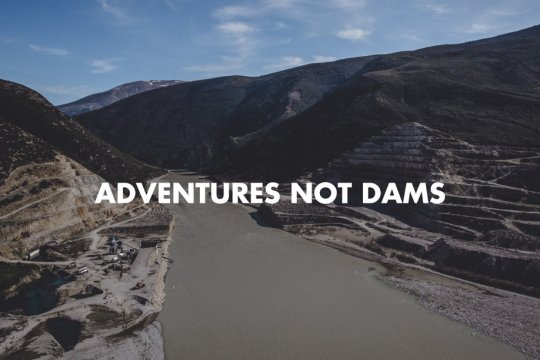
I’ve logged hundreds of flight hours across the UK, France, Spain, Portugal, Albania and Slovakia, operating under local regulations and permissions.
-
Can drones be used in mountainous or remote terrain?
Yes, with careful planning. Terrain, weather, access and recovery options are assessed in advance, and flights are planned conservatively to suit the environment.
-
What should producers consider when planning drone shots?
Key considerations include weather windows, airspace restrictions, proximity to people, take-off and landing areas, how aerials will cut with ground footage, and whether drone use genuinely serves the story.
-
Do you handle permissions and paperwork?
I can advise on airspace requirements, permissions and operational planning, and work closely with production to ensure everything is compliant.
-
Is drone filming always possible on the day?
No. Safety and legality always come first. If conditions change, I’ll adapt the plan or focus on alternative coverage that still supports the production.