I’ve spent most of my career working in documentary and factual storytelling — often in branded environments, often with small teams, and increasingly in spaces where the lines between TV, digital, and social have blurred completely.
Over the past few years, I’ve seen budgets tighten, formats shift, platforms rise and fall, and new technology promise to “solve” creativity at scale. At the same time, I’ve seen audiences become more discerning, more emotionally literate, and more resistant to content that feels hollow or automated.
This isn’t a trend report pulled from a deck. It’s a reflection on what I’m seeing on set, in conversations with producers and clients, and in the kinds of work that’s actually cutting through. Here are six branded content trends I believe will genuinely matter in 2026 — for brands, for filmmakers, and for anyone trying to make meaningful work in a changing industry.
In this article
- Cinematic branded documentaries as an antidote to AI slop
- Welfare, mental health, and supporting each other through uncertainty
- Video podcasting becomes integral to brand storytelling
- Shooting social-first: vertical as a priority, with horizontal protected
- First-party storytelling and owning the relationship
- The rise of vertical drama (and what brands can learn)
1. Cinematic branded documentaries as an antidote to AI slop
Generative AI has lowered the barrier to entry for content creation. The result is a growing tide of “good enough” video: competent, cheap, and instantly forgettable — a trend I’ve explored previously when asking whether AI will kill off corporate video production.
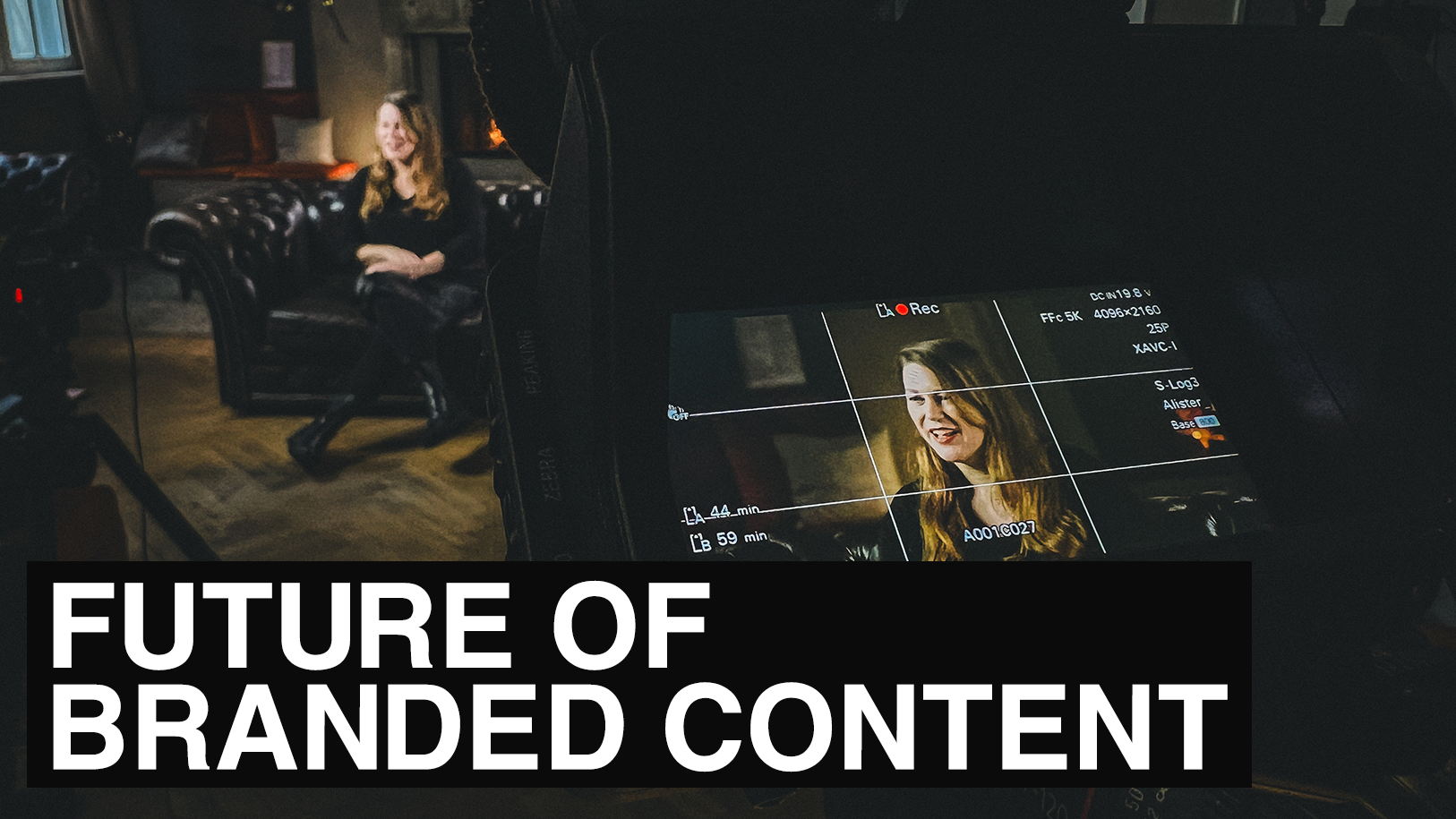
The counter-movement is already emerging: cinematic branded documentaries that lean into reality rather than simulation. Real people. Real places. Observational storytelling. Films that slow down instead of shout, and trust the audience to engage emotionally rather than react instantly.
In a landscape increasingly populated by synthetic voices and templated visuals, authorship becomes the signal of quality. Documentary-led branded films communicate confidence, care, and credibility — not because they reject technology, but because they foreground humanity.
This is where branded content and documentary filmmaking stop being separate disciplines and start reinforcing one another.
2. Welfare, mental health, and supporting each other through uncertainty
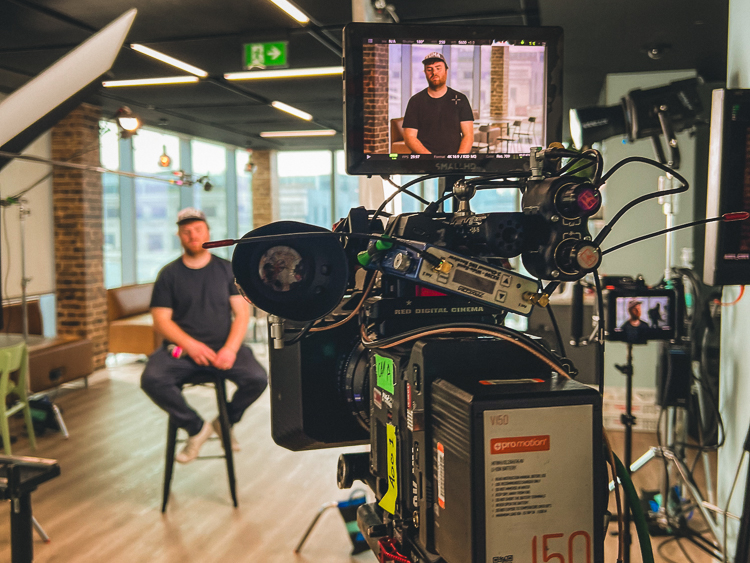
Behind every piece of content is a human being — and many people working in production have been navigating a tough stretch. Tightened budgets, fewer roles, and constant uncertainty can quietly feed anxiety, burnout, and other mental health struggles, even among experienced professionals.
This isn’t about blame or pointing fingers. It’s about awareness, care, and what we can do — as individuals, teams, and collaborators — to make the industry more sustainable.
What helps in 2026
- Normalising check-ins, especially with freelancers who may feel isolated between projects
- Clear, kind communication that reduces uncertainty rather than amplifying it
- Planning schedules humans can survive, not just technically complete
- Sharing opportunities and knowledge to strengthen the wider production community
- Creating psychological safety on set, where people can do their best work
If 2026 is a transitional year — and it feels like it is — the goal is to transition together, without burning people out along the way.
3. Video podcasting becomes integral to brand storytelling
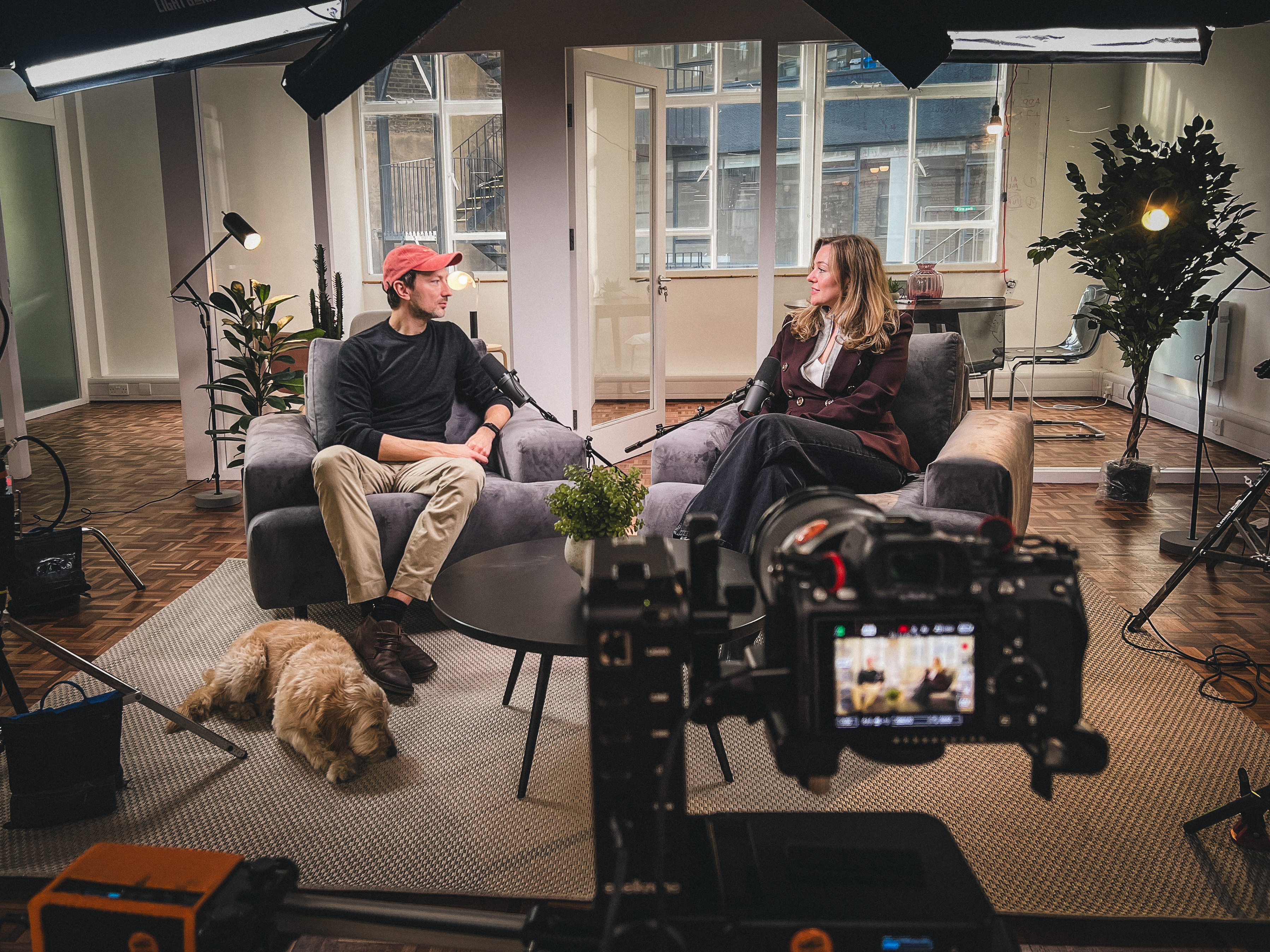
Video podcasting is no longer a side project. In 2026, it’s becoming a core pillar of branded content strategies because it offers something increasingly rare: long-form attention, repeat engagement, and space for nuance.
For brands, a well-produced video podcast can function simultaneously as thought leadership, a trust-builder, and a repurposing engine — generating social clips, short-form edits, and evergreen content that lives beyond algorithms.
Production quality matters here more than people sometimes expect. Clean audio, considered lighting, and intentional framing are what turn “we recorded a conversation” into something people actually want to return to.
I go into this in more detail on my video podcast production page, and in my longer piece on how to produce a successful video podcast.
4. Shooting social-first: vertical as a priority, with horizontal protected
Social platforms are now the primary place audiences encounter branded video. In 2026, shooting social-first means designing content vertically from the outset, not cropping it later.
The strongest productions prioritise vertical framing — often using social guide frames on set — while also protecting horizontal versions wherever possible. This allows content to perform on platforms now while retaining longevity for websites, presentations, and longer-term brand use.
This thinking underpins how I approach social film production, where a single shoot is designed to deliver multiple outputs without compromising craft.
5. First-party storytelling and owning the relationship
As social algorithms become less predictable, brands are rediscovering the value of first-party platforms — their own websites, newsletters, and long-term channels like YouTube.
First-party storytelling gives longer-form work a proper home. It supports search and discoverability, and it lets brands build direct relationships with audiences over time rather than chasing fleeting reach.
What this looks like in practice
- A strong 16:9 version lives on your site as evergreen branded content
- Vertical cutdowns act as the discovery layer on social
- Supporting assets deepen narrative and improve SEO
The brands who win in 2026 won’t just post more — they’ll build a library of work that compounds.
6. The rise of vertical drama (and what brands can learn)
Vertical drama is no longer a novelty. Phone-first, episodic storytelling is becoming a defined format built around intimacy, momentum, and return viewing.
For brands, the opportunity isn’t to cosplay as scripted drama. It’s to apply those narrative principles to real stories — and to treat vertical video as a format in its own right.
That mindset sits at the heart of making social films that feel authored rather than disposable.
Final thoughts: fewer films, better films
Doing less, but doing it better, is the quiet shift underpinning all of this. Quality, care, and collaboration are becoming competitive advantages.
If 2026 is about anything, it’s about re-centering people — the people making the work and the people watching it.
If you’re planning a branded film, social-first campaign, or video podcast series, you can get in touch here.